Auction
Auctions offer a fast-paced way to buy and sell property and are popular with private buyers, investors, banks, and receivers. Unlike traditional purchases through estate agents, buying at auction requires immediate commitment. Once your bid is accepted, you must sign a binding contract and pay a non-refundable deposit on the spot.
It’s important to remain level-headed—auctions can be exciting, and even cautious bidders can get caught up in the moment and make impulsive decisions.
Steps to Buying a Property at Auction
View the Property
Contact the auctioneer and arrange to view the property.
Set a Budget
Estimate all associated costs – stamp duty, legal fees, and others. Determine your maximum price and stick to it.
Consult Your Solicitor
Engage us early so we can request and review title documents and contracts before the auction, and raise any necessary legal queries with the seller’s solicitor.
Survey the Property
Have a qualified engineer inspect the property. Bargain properties may conceal costly defects. Once you sign at auction, you cannot pursue the seller or auctioneer for any hidden issues.
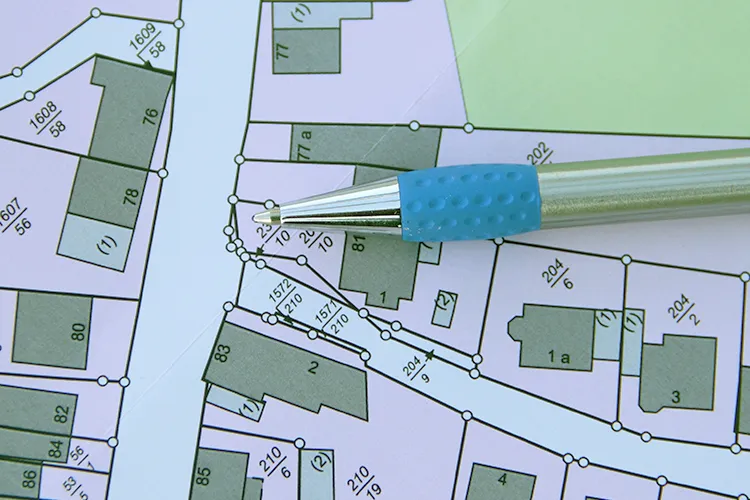
Review the Map
Ensure the auction map accurately reflects the property boundaries and what is being sold.
Check Planning Compliance
Your engineer should confirm the property complies with planning permission and building regulations.
Investigate Local Development
Visit the Local Authority to check for any upcoming developments (e.g., roads, large housing estates, or waste facilities) that could affect the property.
Secure Financing
Arrange your finances before the auction. Be aware:
- You must sign a binding contract if your bid wins.
- You’ll pay a booking deposit at auction.
- A contract deposit (often 10%) may be required immediately.
- The remaining balance is due on the contract’s closing date.
Familiarise Yourself with the Auction Process
Attend one or two auctions in advance to understand how bidding works.
Review Contract Amendments on Auction Day
There may be last-minute updates to contracts. Speak with your solicitor if changes involve the title, maps, or planning matters.
Auction Day Process
Arrive early - some auctions require you to register as a bidder. The auctioneer will begin by announcing the auction and any last-minute changes. The seller’s solicitor may read the contract aloud. Bidding begins when the auctioneer calls for the opening bid.
Bidding at Auction
Raise your hand or catalogue to place a bid. Properties usually have a reserve price, which is the minimum amount the seller is willing to accept.
What is a Guide Price?
An estimate of the price range a property is expected to achieve.
What is a Reserve Price?
The lowest price the seller will accept. If bids do not reach this threshold, the property will not be sold.
Closing the Sale
When bidding slows, the auctioneer will say, “Going once, going twice, for the third and final time… SOLD.” The property is sold to the highest bidder, provided the reserve is met.
If You Are the Highest Bidder
If your bid wins: – You must sign contracts and pay a 10% deposit. – Take a signed copy of the contract for your solicitor.
If your bid doesn’t meet the reserve, the auctioneer may record your details and consult the seller about next steps.
Completing the Purchase
Completion is usually within 4–5 weeks from the auction date, as specified in the contract. Your solicitor will handle the final legal steps.
Stamp Duty
Stamp Duty is payable by the buyer on property transactions. It varies based on:
-
Property type (residential vs. non-residential)
-
Property value
-
Buyer status (e.g., first-time buyer, investor)
-
Residential property (houses, apartments, duplex units): 1% on the portion of the purchase price up to €1,000,000, 2% on the portion between €1,000,000 and €1,500,000, and 6% on any portion above €1,500,000
-
New-build houses: 1% of the purchase price excluding VAT (currently 13.5%)
-
New-build apartments: 1% of the purchase price excluding VAT (currently 9%)
-
Non-Residential Property (shops, land, warehouses): All property – 7.5%
Other Costs to Consider
- Solicitor’s Fees: We charge a fixed fee. A portion must be paid in advance for auction properties. If your bid is unsuccessful, this payment is non-refundable.
- Surveyor’s Fees: Cover inspections and map verification.
- Insurance: Must be arranged for the property after the auction.
- Life Cover: Required by lenders to protect the mortgage in case of death
Frequently asked questions
What’s different about buying at auction?
It’s immediate and binding: once your bid wins you sign a binding contract and pay a non-refundable deposit on the spot. Auction properties are sold ‘as is’, not subject to finance or survey conditions.
What should I do before the auction?
View it, set a firm budget (including stamp duty and fees), engage your solicitor early to review title and contract, get an engineer to survey it, check the map and planning, and arrange finance.
How much deposit do I pay if I win?
A booking deposit at the auction, and a contract deposit — often 10% — usually immediately. The balance is due on the closing date.
What is a guide price and a reserve price?
The guide price is the estimated range the property is expected to reach; the reserve is the lowest price the seller will accept. Below the reserve, it won’t sell.
What if I win but can’t complete?
The contract is binding, so failing to complete can mean financial loss — arrange finance and surveys before you bid.
How long does completion take?
Usually 4–5 weeks from the auction date, as set out in the contract.