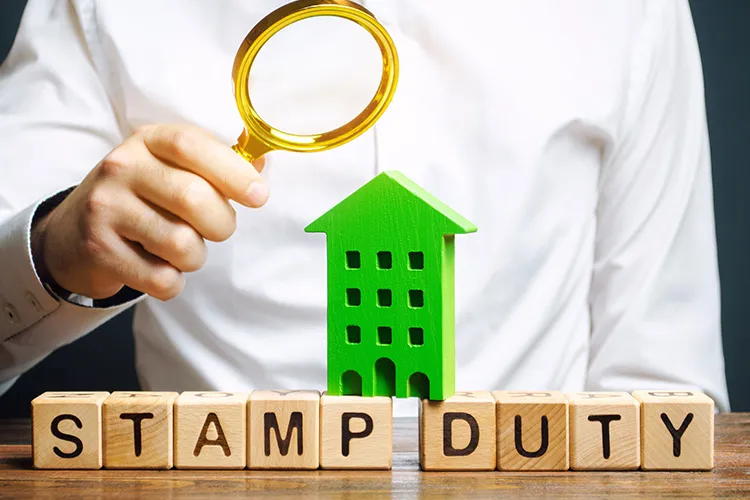
Property Purchase - Steps
Buying a house is a major financial decision, and the process in Ireland follows a fairly structured sequence. Understanding each step can help you avoid delays, unexpected costs, and legal issues.
We have listed below the main actions involved in buying a house in Ireland.
Before You Start - Research
Research the area carefully: safety, future developments, schools, shops and amenities, public transport, commute time, parking, flood risk, and other risks.
Property Prices: Research property prices in areas of interest.
Government Schemes: Check if you can avail of government schemes, and rest assured – with thousands of transactions completed, we’re experienced in First-Time Buyer schemes, the Affordable Housing Scheme, Help-to-Buy, Vacant Property Grant, and other schemes for property purchasers.
1. Savings & Deposit
Before starting the house-hunting process, you need to save a deposit (usually 10% of the property value). You will also need additional savings for legal fees, stamp duty, survey, and moving costs.
If you do not have a 10% deposit, you may still be able to buy a property by availing of government or local authority schemes such as the Help to Buy Scheme, First Home Scheme, Affordable Housing Scheme, and the Local Authority Home Loan.
You can get our legal fees breakdown by clicking here, and if you would like to find out more about stamp duty costs, click here.
2. Approval in Principle (AIP)
Approval in Principle (AIP) is a letter from a bank or lender indicating how much they may be willing to lend you. This is an important step, as most estate agents will require your Approval in Principle before accepting or progressing an offer on a property.
It is important to note that the final Loan Offer may differ from the initial Approval in Principle following a full assessment by the bank.
AIP is typically valid for 6 months and can be renewed if needed.
3. House Hunting
Once you have Approval in Principle, you can start viewing properties within your budget.
Before placing an offer – research the area, check transport links and schools, assess the property’s condition and BER rating, compare prices, and consider future developments or additional costs such as apartment management fees.
4. Making an Offer
When you find a property you like, you can make an offer through the estate agent.
Once the seller accepts your offer, the property is marked as “Sale Agreed”.
The estate agent will provide us with the Sales Advice Notice, which includes key property details such as the property price and address, the seller’s information, your details, and the details of the seller’s solicitor.
5. The Legal Process
Once your property is sale agreed and you have signed up with us, we will commence the legal process. While it is advisable to choose a solicitor early, we will usually start the legal process formally after the property is sale agreed.
At Jacob Law, we have divided the legal process into four steps, which are outlined in our booklets available below.
We will guide you through each step and are always available to answer your questions. With our extensive experience in property purchases and thousands of transactions completed, your purchase is in expert hands.
New-Build Property Purchase Guide

Second-Hand Property Purchase Guide
6. Loan Approval
A full mortgage application will have to be submitted to the bank. The bank will require:
- Proof of income
- Bank statements
- Employment details
- Property details
- Valuation report
- Mortgage protection (life insurance) – at a later stage
7. Survey and Valuation
You will need to arrange the following:
-
Property survey (to check structural condition) – While not legally required, we strongly recommend having a survey to identify any potential issues.
-
Bank valuation (required by your lender) – Contact your bank or broker regarding the valuation, and coordinate with the estate agent to schedule a convenient time.
Click HERE to find out more about why a property survey is so important.
8. Contracts Signing
Once we review the contracts, your loan offer is issued, and the survey is complete, you will need to sign the contracts and pay the booking deposit (usually part of your total deposit).
Before signing, we will review the contracts and the property title carefully and raise any necessary pre-contract enquiries with the seller’s solicitor.
After contracts are signed, the sale becomes legally binding.
More information about the contract signing process can be found in our booklets.
9. Mortgage Drawdown
Before closing, the lender sends the mortgage funds to us. This is called a drawdown.
We will submit your loan documentation to your lender and arrange the drawdown. The remaining funds will also need to be sent to the seller’s solicitor.
You can relax, as we will guide and support you through every step of the process.
10. Closing the Sale and Getting the Keys
This is called the closing date.

On this day, we will conduct final searches and transfer the funds to complete the purchase.
Once we receive the closing documents – you get the keys – and it’s time to celebrate!
Final Advice
Keep in mind:
- Get Approval in Principle before house hunting
- Hire a solicitor even before the sale is agreed
- Always get a property survey
- Budget for extra costs (legal fees, stamp duty, surveys, insurance)
- Mortgage protection covers only your outstanding mortgage for the lender if you die, while life insurance provides a lump sum to your family or beneficiaries for broader financial security.
Frequently asked questions
What are the steps to buying a house in Ireland?
Save your deposit, get Approval in Principle, house-hunt, make an offer (go sale agreed), begin the legal process, get full loan approval, arrange a survey and valuation, sign contracts and pay the booking deposit, mortgage drawdown, then closing — when you get the keys.
How big a deposit do I need?
Usually 10% of the property value, plus extra for legal fees, stamp duty, a survey and moving costs. If you don’t have 10%, schemes like Help to Buy, the First Home Scheme, the Affordable Housing Scheme or the Local Authority Home Loan may help.
What is Approval in Principle (AIP)?
A letter from a lender showing how much they may lend you. Most estate agents want to see it before accepting an offer. It’s usually valid for 6 months, and the final loan offer can differ after full assessment.
When should I hire a solicitor?
As early as possible, ideally before you’re sale agreed — it makes the legal process faster. In most cases you pay nothing until the purchase completes.
Do I need a survey?
It isn’t legally required, but we strongly recommend one to catch structural or hidden issues before you commit.
When does the sale become legally binding?
Once contracts are signed — after we’ve reviewed the contracts, title and your loan offer, and you’ve paid the booking deposit.
What happens on the closing date?
We carry out final searches and transfer the funds to complete the purchase; once the closing documents are received, you get the keys.